


Between October 20 and 23, the Association for Slavic, East European, and Eurasian Studies held its 57th annual convention in Washington, D.C. This year’s lectures, panels, roundtable discussions, and book presentations explored various aspects of the event’s main theme, “Memory.”
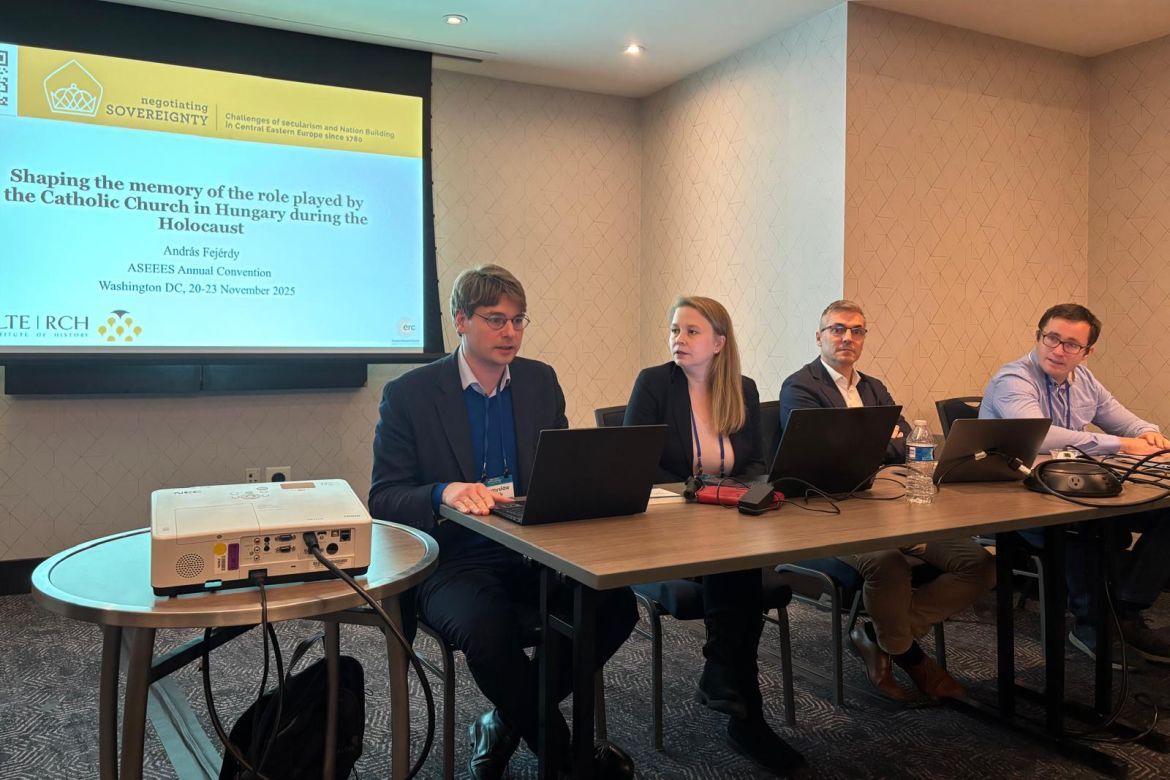
Five members of the ERC-funded “Negotiating Sovereignty” research group presented their findings in two panels entitled “Remains of the Past: The Catholic Church in the Communist Regimes of East Central Europe.” Principal investigator András Fejérdy delivered a paper analyzing the Hungarian debates of 1945–1947 concerning the memory of the Holocaust, as well as the sharp accusations directed at the recent actions and positions of the Catholic Church. Drawing on sources from ecclesiastical archives, his presentation highlighted the Church’s efforts to present a more accurate and balanced account of its recent past.
,
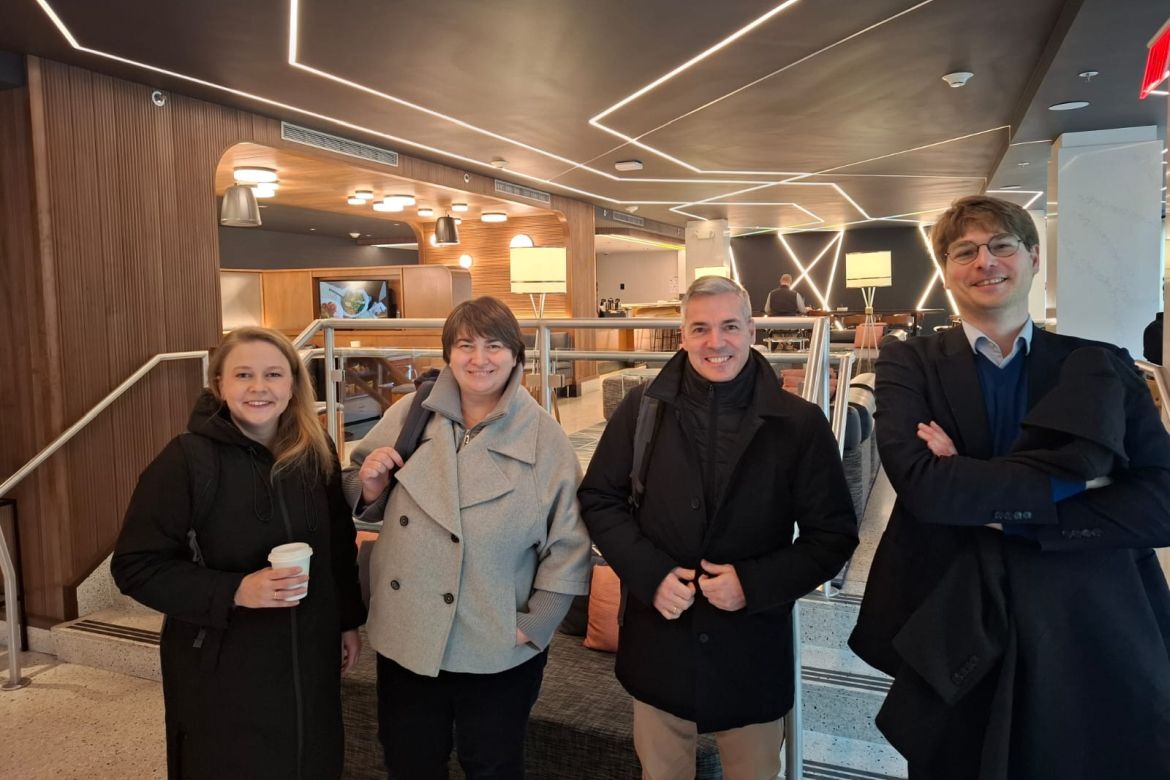
Agáta Šústová Drelová examined how Czechoslovak communist–nationalist ideologues instrumentalized Catholicism by arbitrarily and distortedly juxtaposing “people’s Catholicism” and “reactionary political clericalism.” Željko Oset identified the reshaped memory and cult of Josip Juraj Strossmayer, bishop of Đakovo (1815–1905), as a tool of Yugoslav nation-building both before 1940 and after 1945. Przemysław Pazik discussed the memory politics surrounding the 1950–1956 period, with particular regard to the emergence of pro-communist “patriot priests.” In her presentation, Anca Şincan examined the activities of the Apostolic Nuncio in Bucharest, Gerald Patrick O’Hara, who worked to consolidate church–state relations during a period of severe state repression.
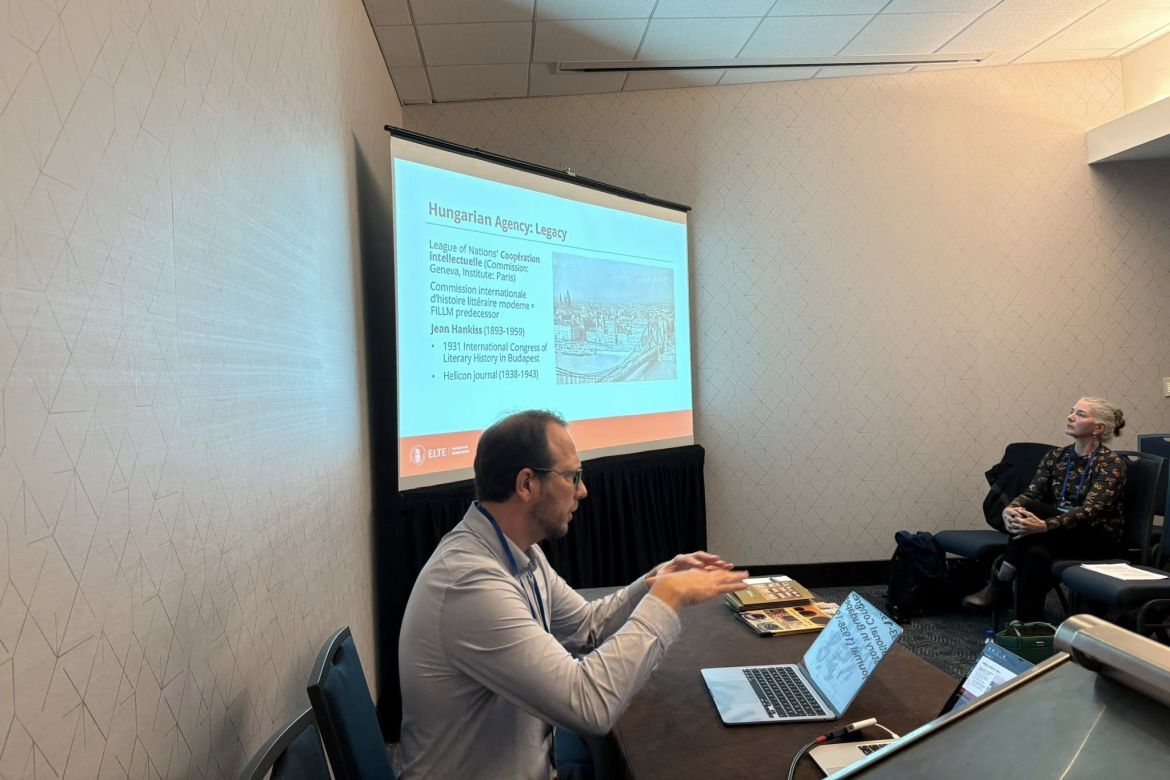
At the conference, senior research fellow Tamás Scheibner presented new research on Hungary’s unexpectedly influential role in shaping UNESCO’s global humanities institutions during the Cold War. Drawing on archival material, he demonstrated how Hungarian scholars leveraged ambiguities within UNESCO’s administrative structure to increase the country’s visibility in organizations such as CIPSH, FILLM, and the International Comparative Literature Association.
Pictures by Željko Oset and Anca Şincan


