
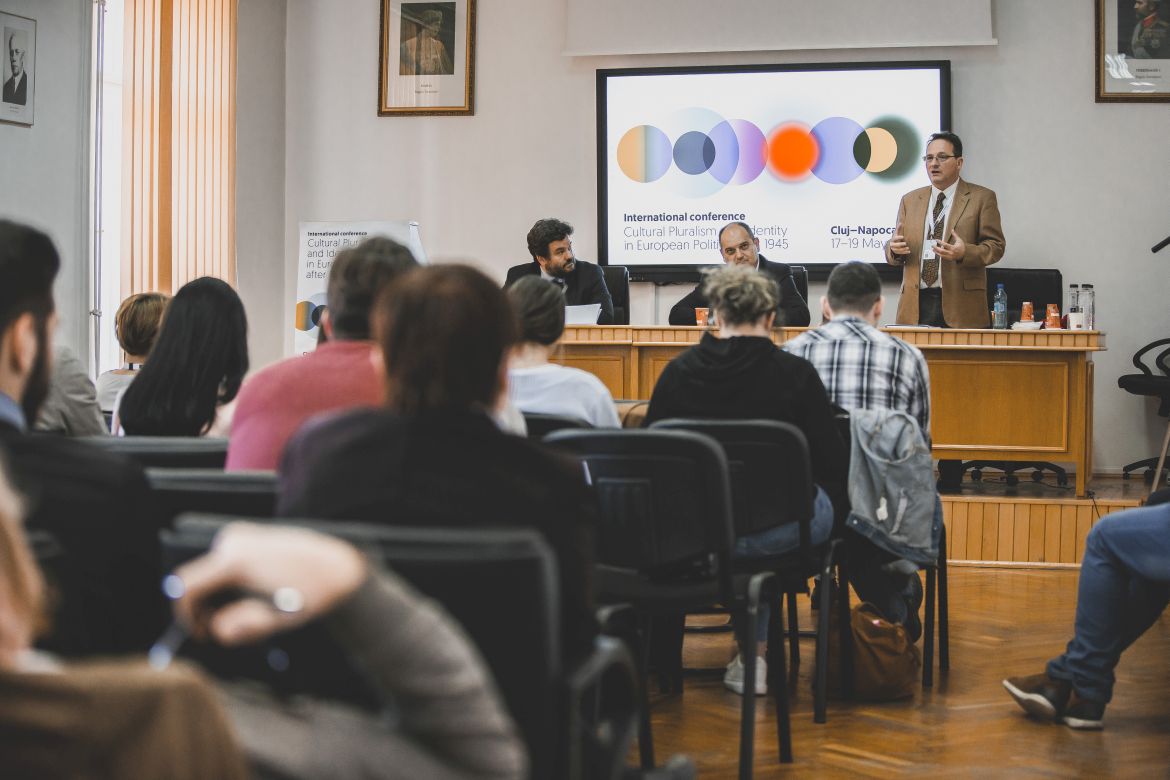
From 18 to 20 May 2019, the Babeș-Bolyai University of Cluj hosted the Warsaw-based European Network of Remembrance and Solidarity conference, this time entitled Cultural Pluralism and Identity in European Politics after 1945.
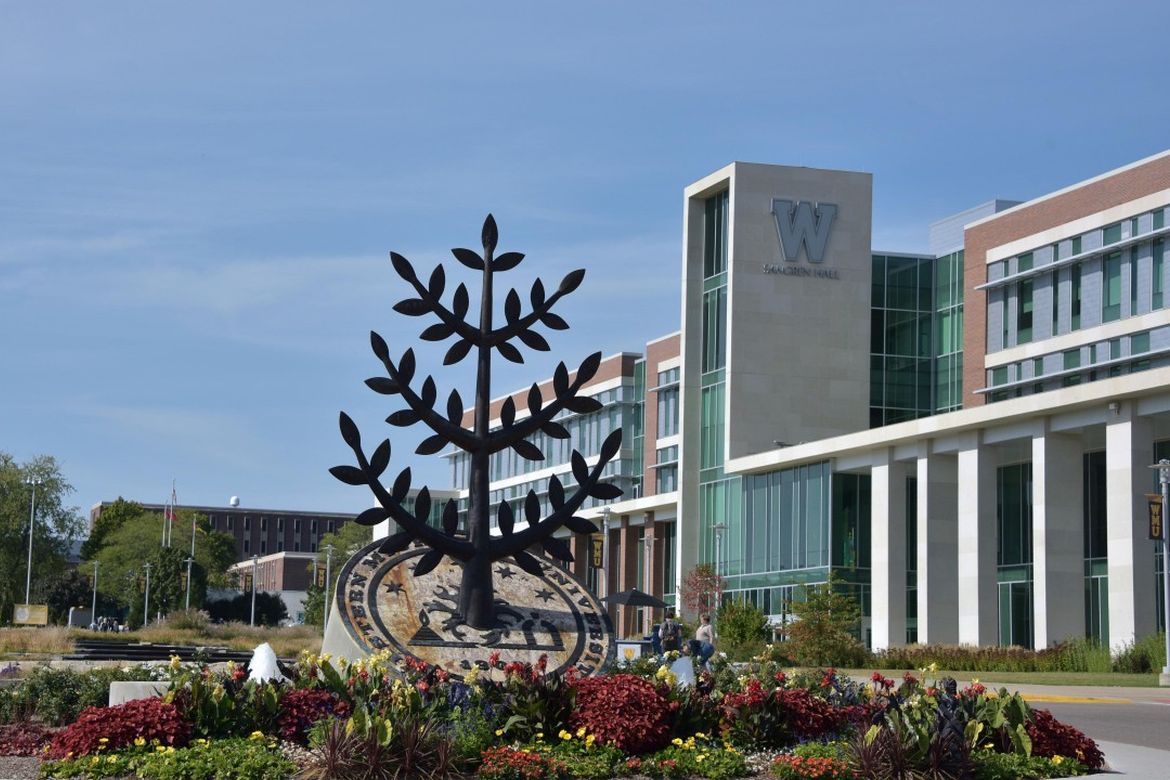
This year, Western Michigan University (Kalamazoo, Michigan, USA) hosted the 57th International Congress on Medieval Studies online. The 432 sessions and roundtable discussions were attended by medieval scholars from all over the world, including István Kádas and Bence Péterfi, both research fellows of the Institute of History of the RCH (and members of the „Lendület” Medieval Hungarian Economic History Research Group and of the NKFI project K 134690).
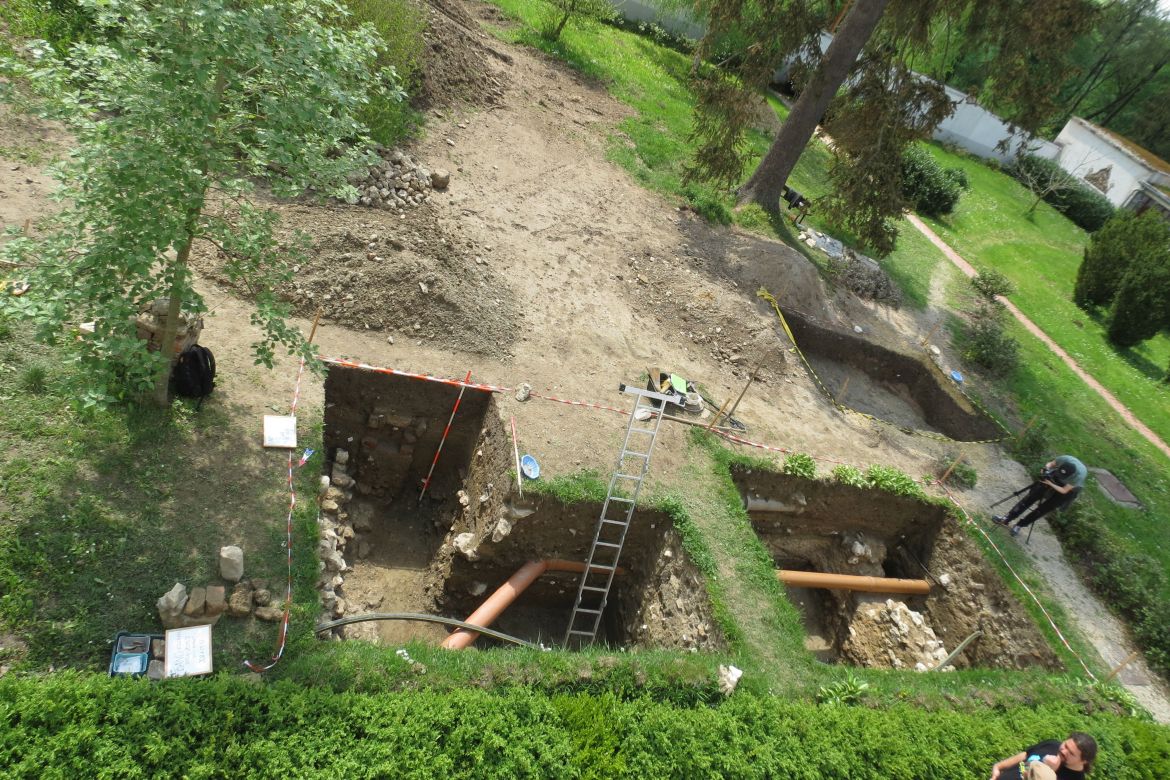
Within the framework of the Kings, Saints and Monasteries research program launched with the support of the Eötvös Loránd Research Network (ELKH), the design works of the Benedictine monastery founded by Stephen I of Hungary began in April 2022 after a detailed geophysical survey.
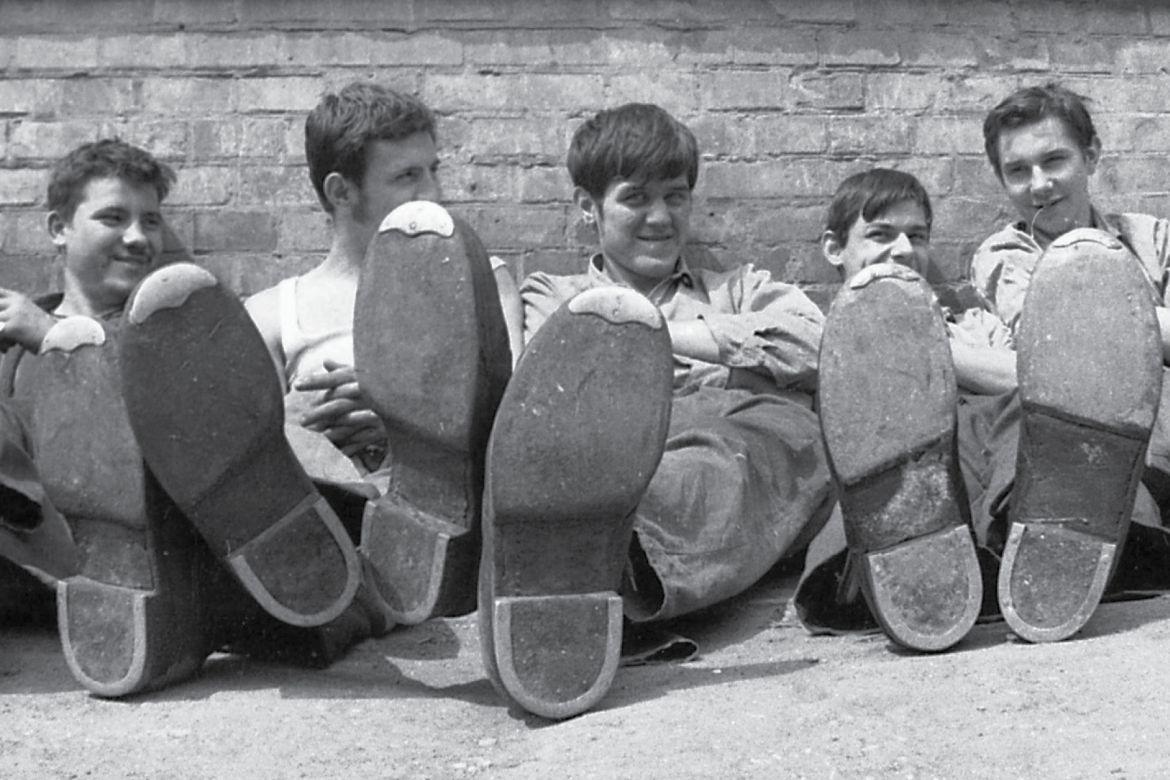
Indiana University Press (USA) has published the book Children of Communism. Politicizing Youth Revolt in Communist Budapest in the 1960s by Sándor Horváth, Head of the Department for Contemporary History at the Institute of History in the Research Centre for the Humanities. In this volume, the author explores youth counterculture in the Eastern Bloc, and why this generation proved so crucial to communist identity politics.
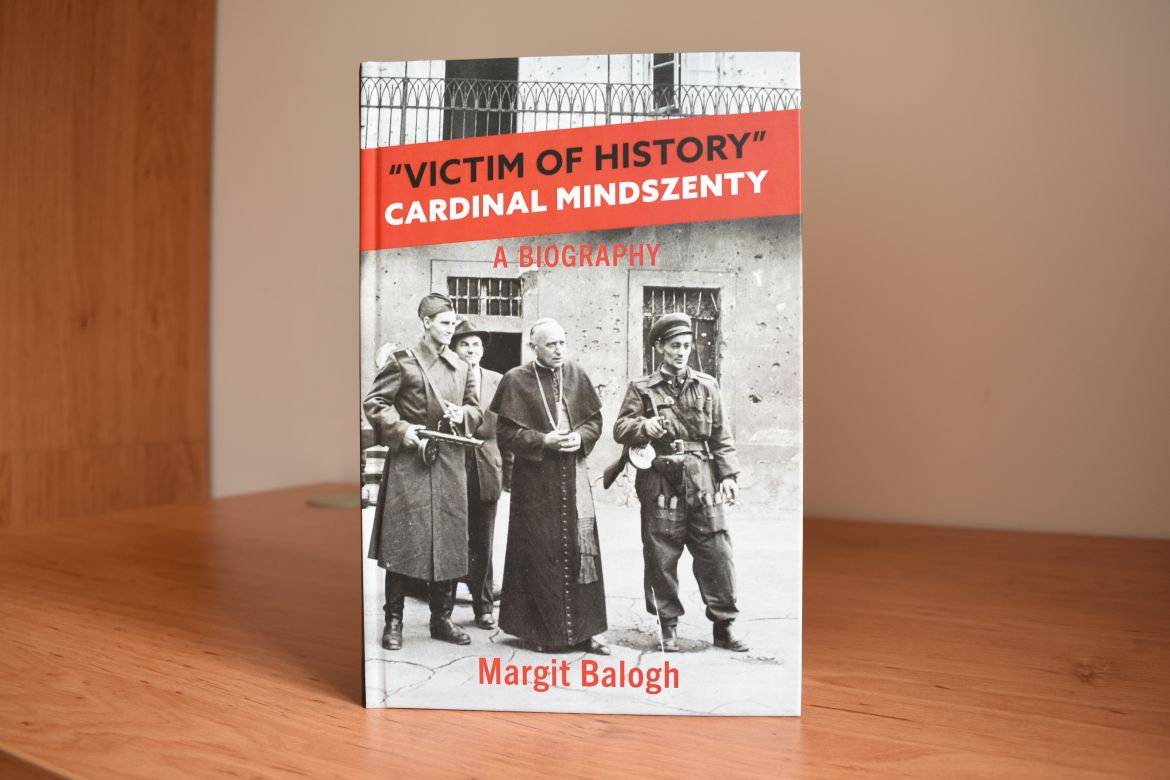
Catholic University of America Press has published Victim of History: a biography of Cardinal Mindszenty, the latest book of Margit Balogh, Deputy Director General of the Research Centre for the Humanities and scientific consultant at the Institute of History. The volume is "a scholarly masterwork now finally available in English, tells the story of this extraordinary character, one of the most powerful and controversial personalities of Hungarian history" – says Árpád von Klimó, (The Catholic University of America), reflecting on the book.
Page 20 of 28


