
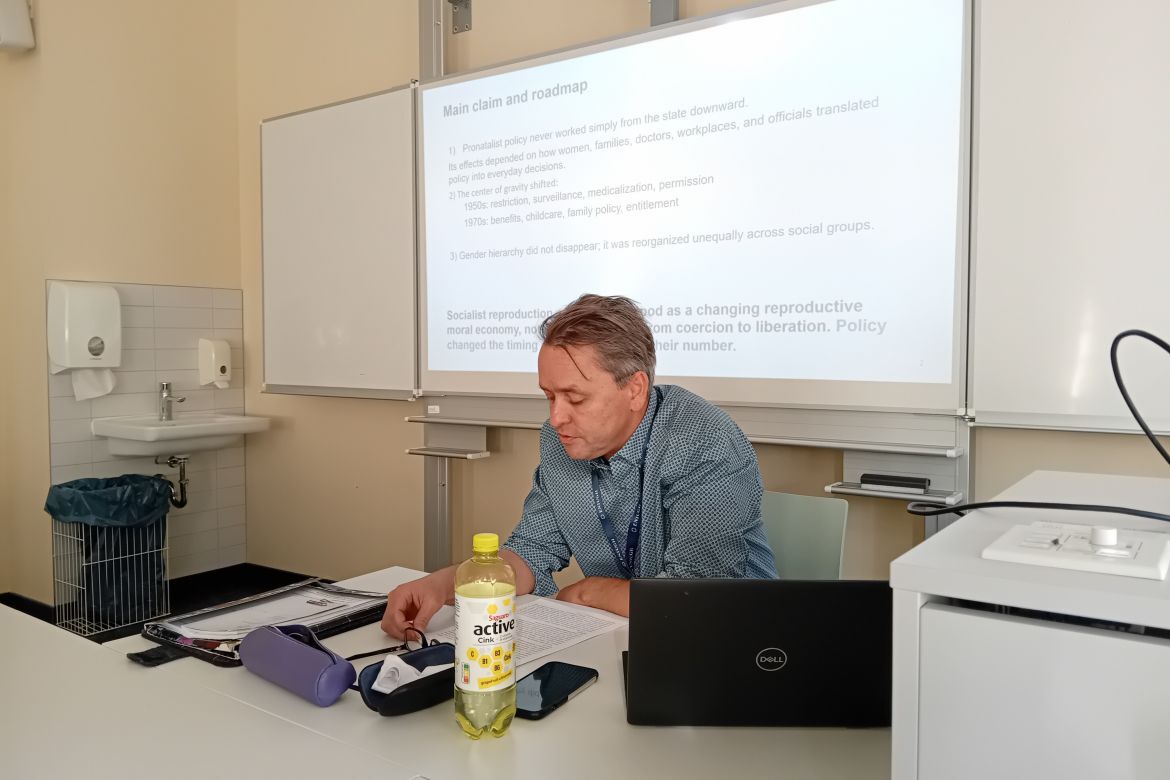
On 27 August 2026, the centenary World Congress of the Comité International des Sciences Historiques (CISH) in Leipzig hosted the panel “Childbearing: Fertility, Contraception, Everyday Life in East-Central Europe from the Late 19th to the mid-20th Century.”
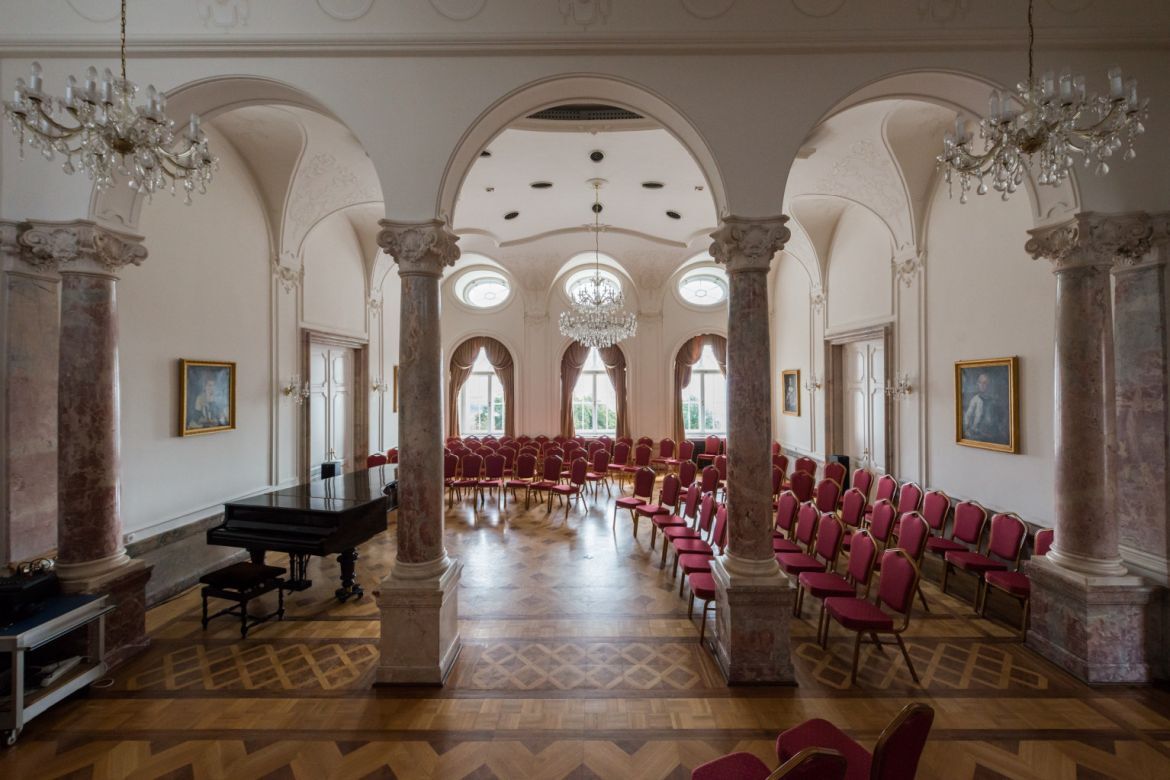
Institute for Musicology of the Research Centre for the Humanities ELTE, Budapest and Study Group Music and Cultural Studies IMS announce the interdisciplinary conference Individual Agency and Musical Networks in Nineteenth- and Twentieth-Century Music History and Music Historiography

We are delighted to announce that the Scientific Committee has completed the evaluation of all abstracts submitted to the 10th Balkan Symposium on Archaeometry (10th BSA), which will take place in Budapest, Hungary, from 19–22 October 2026.
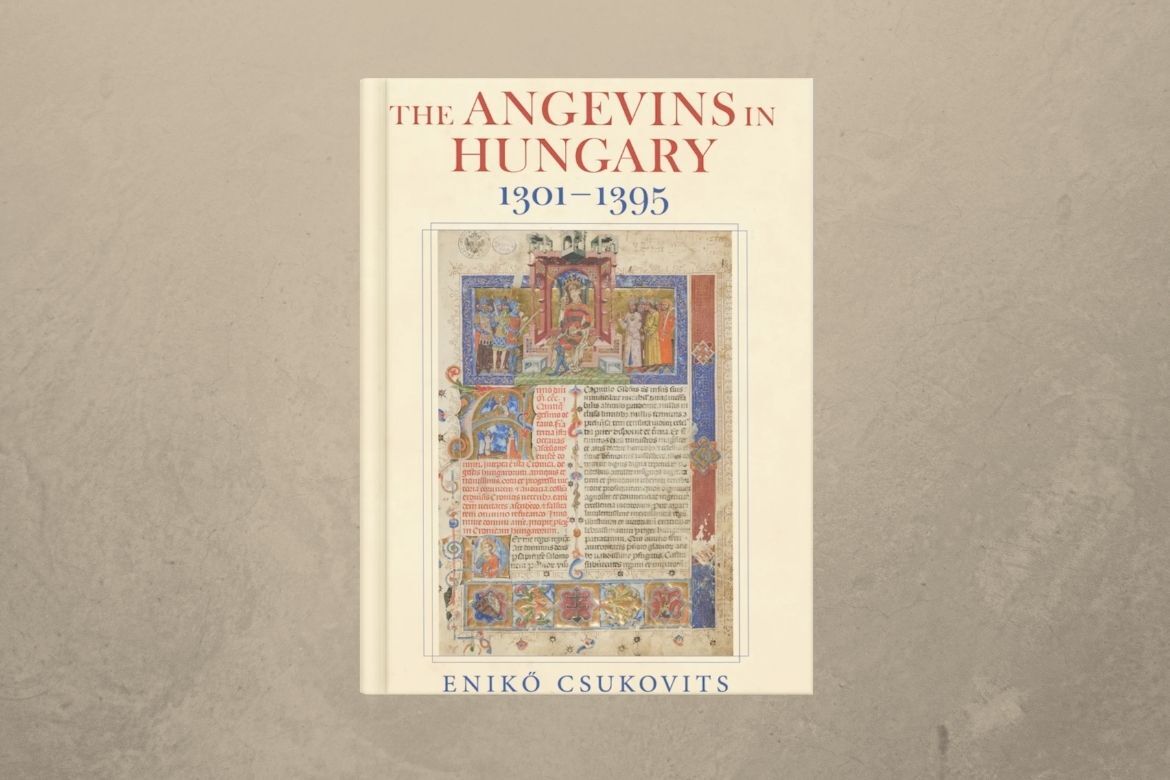
Enikő Csukovits’s new monograph, published by Indiana University Press, explores the history of the Hungarian Angevins and the dynasty’s Central European and Italian connections.

Heléna Huhák’s new monograph, published by Indiana University Press, examines the operation of communist propaganda and the everyday practices of political agitation in Hungary between 1948 and 1953.
Page 2 of 28


