ELTE Research Centre for the Humanities | 1097 Budapest, Tóth Kálmán utca 4. | HU15854939
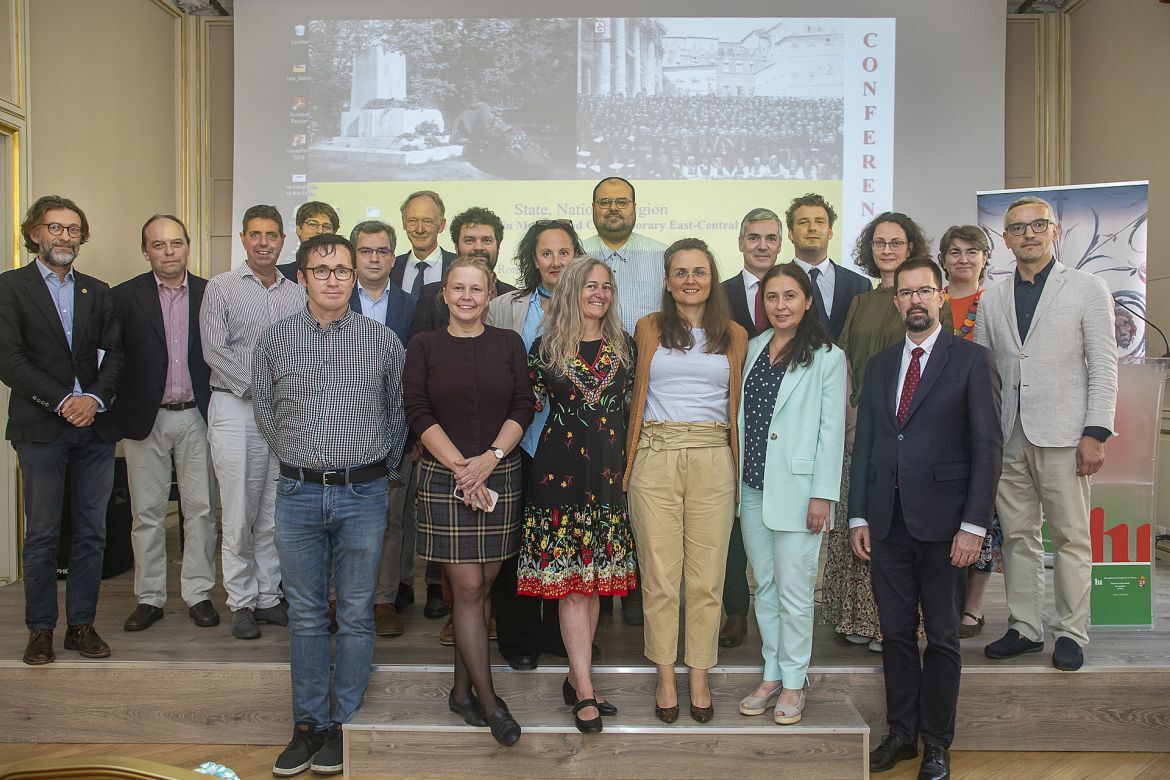
The ERC Sovereignty research group at the Institute of History, ELTE Research Centre for the Humanities, held an international conference at the Hungarian Academy in Rome on September 30–October 1, 2026, exploring conflicting loyalties to the Church, state, and nation in 19th- and 20th-century East-Central Europe.
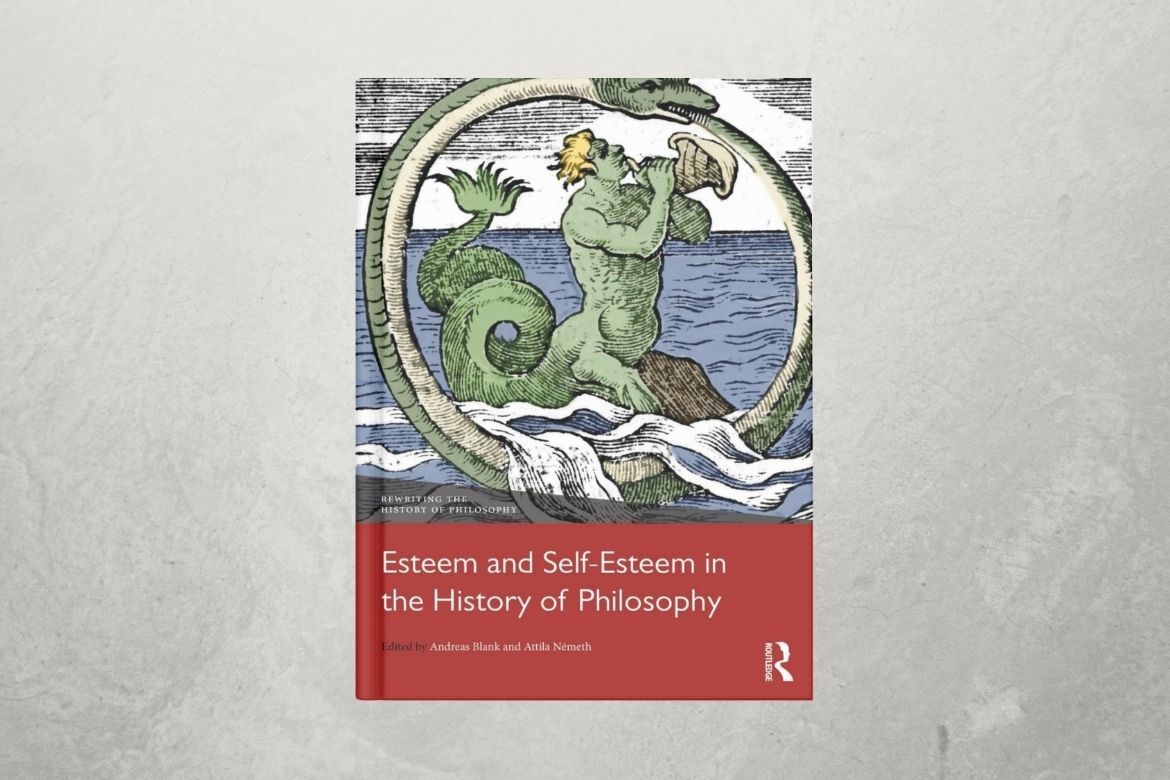
Attila Németh, Senior Research Fellow of the Institute of Philosophy together with Andreas Blank, has co-edited a major new international volume with Routledge, bringing together cutting-edge scholarship on one of the most fundamental yet strikingly neglected dimensions of philosophical thought: esteem and self-esteem.
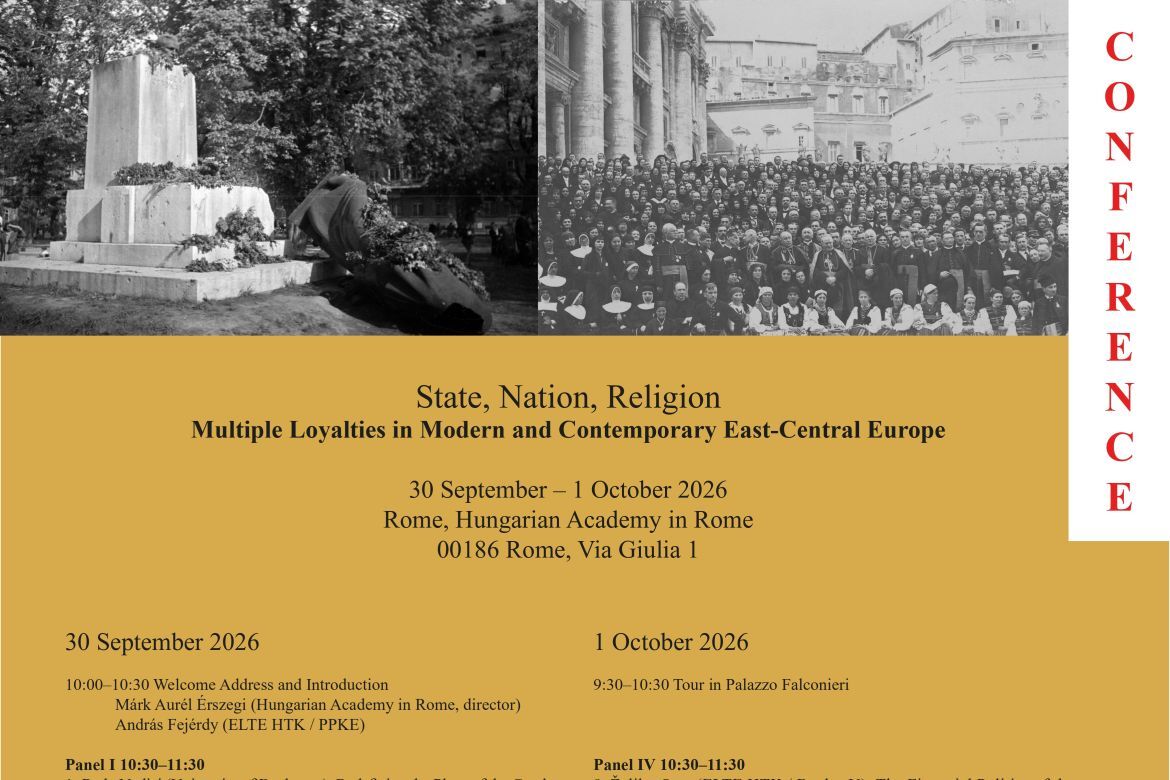
On September 30 and October 1, 2026, the “Sovereignty” ERC research group at ELTE RCH Institute of History will organize the conference State, Nation, Religion. Multiple Loyalties in Modern and Contemporary East-Central Europe at the Hungarian Academy in Rome.
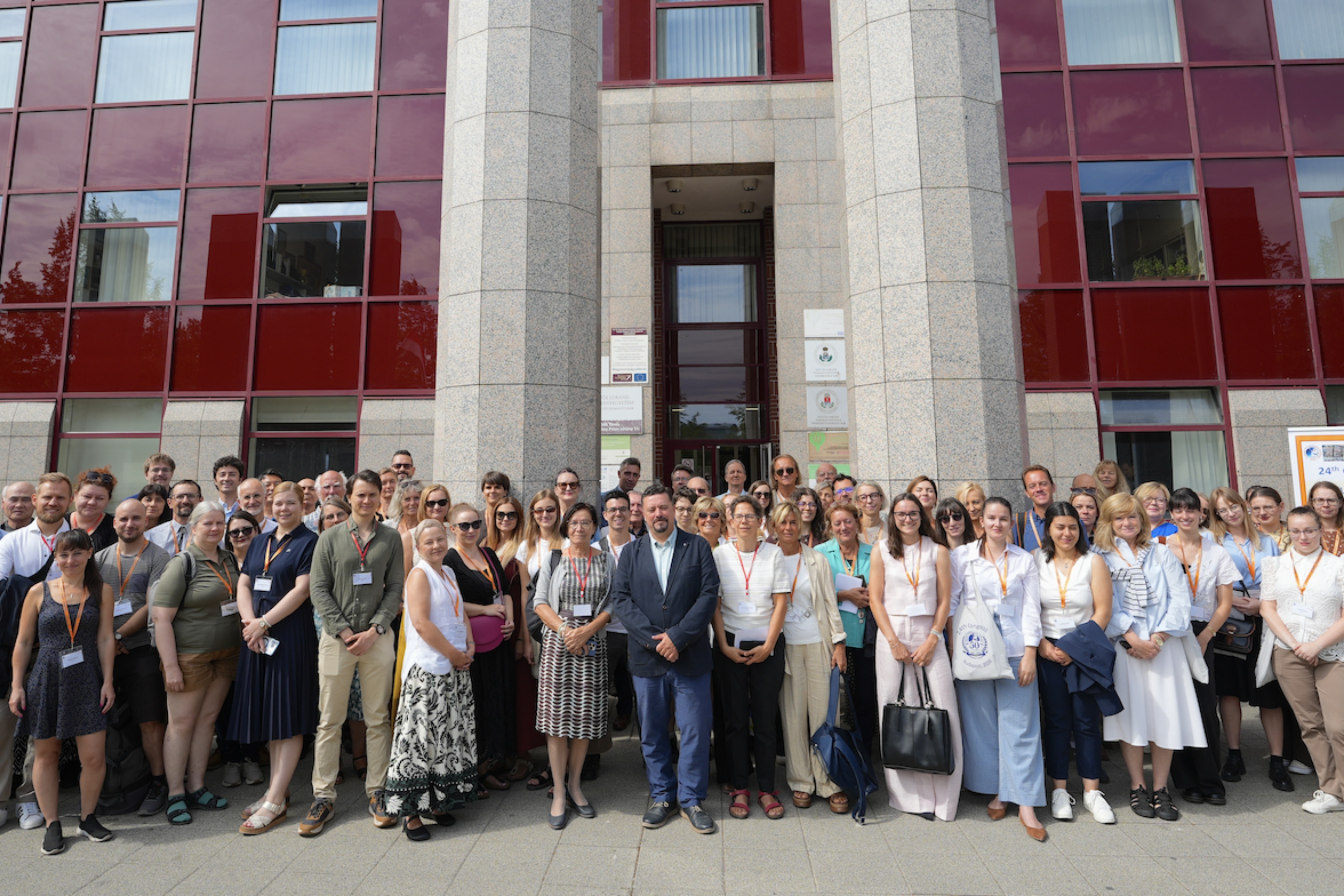
At the 24th Congress of the European Anthropological Association in Budapest, Anna Szécsényi-Nagy and Krisztián Kiss of the ELTE HTK Institute of Archaeogenomics presented results from the Momentum Bioarchaeology project.
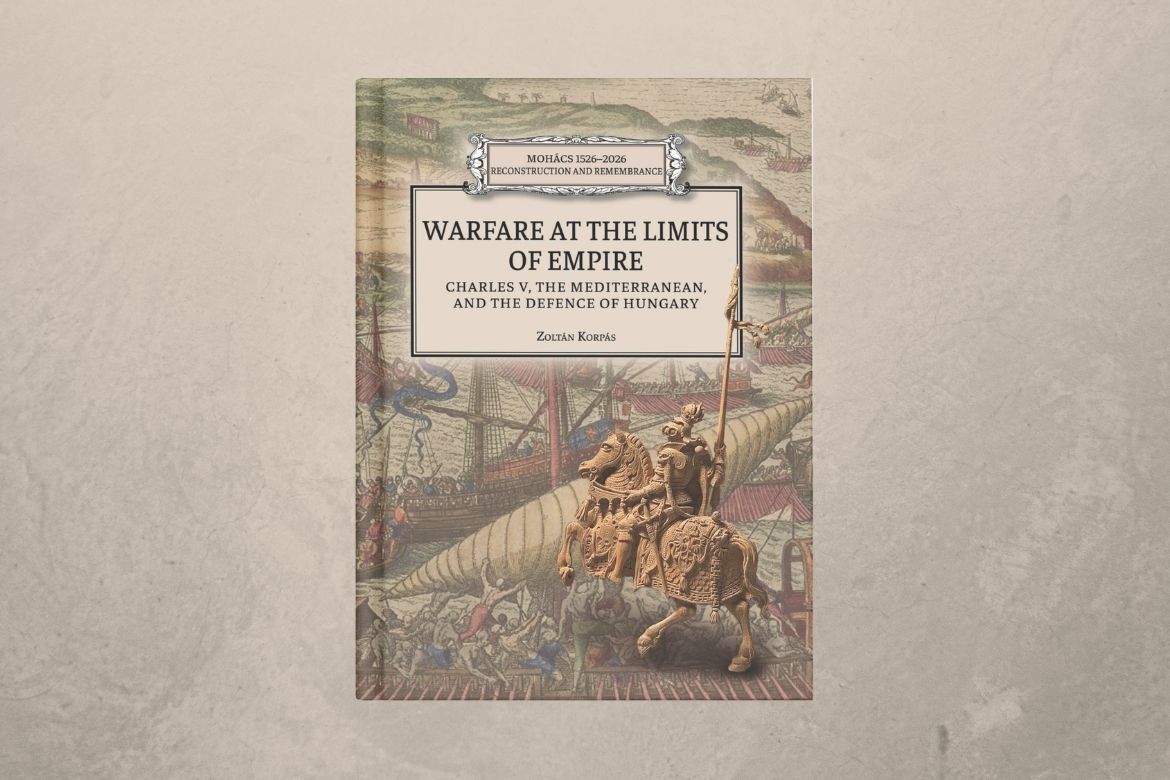
Zoltán Korpás’s Warfare at the Limits of Empire – Charles V, the Mediterranean and the Defence of Hungary has been published in the Mohács 1526–2026: Reconstruction and Remembrance series. The volume was published by the Institute of History, ELTE Research Centre for the Humanities.
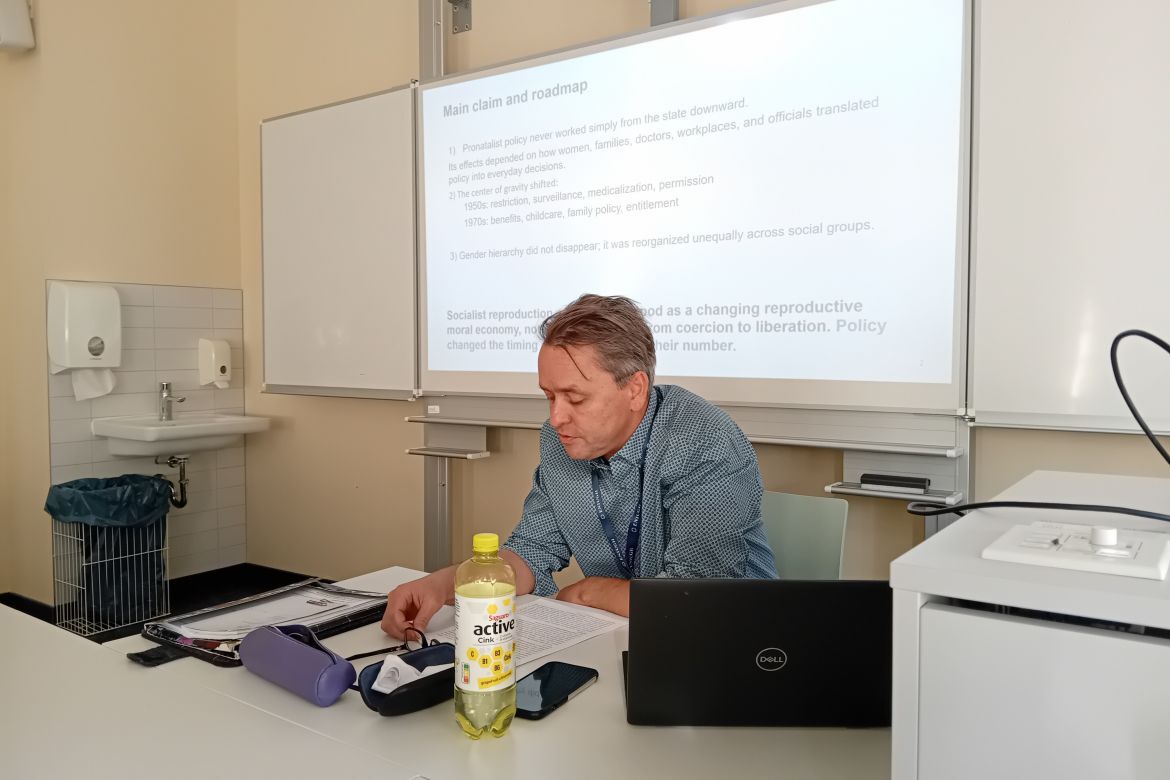
On 27 August 2026, the centenary World Congress of the Comité International des Sciences Historiques (CISH) in Leipzig hosted the panel “Childbearing: Fertility, Contraception, Everyday Life in East-Central Europe from the Late 19th to the mid-20th Century.”
Institute for Musicology of the Research Centre for the Humanities ELTE, Budapest and Study Group Music and Cultural Studies IMS announce the interdisciplinary conference Individual Agency and Musical Networks in Nineteenth- and Twentieth-Century Music History and Music Historiography
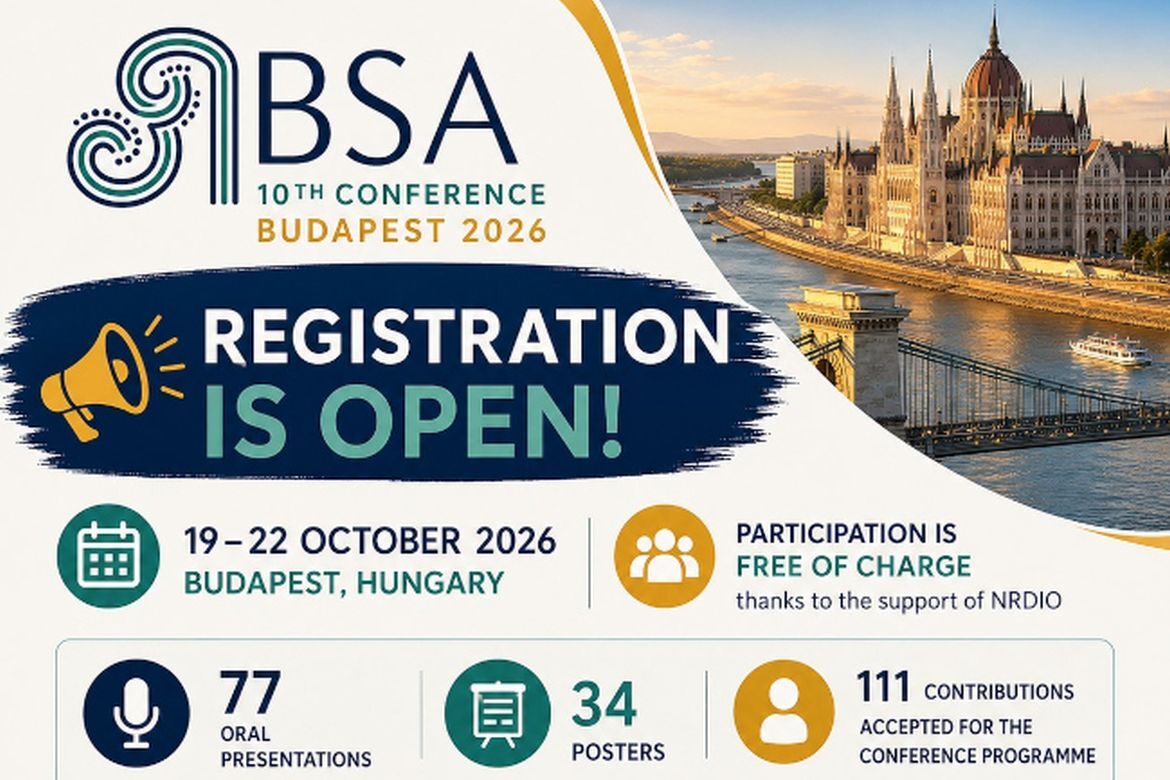
We are delighted to announce that the Scientific Committee has completed the evaluation of all abstracts submitted to the 10th Balkan Symposium on Archaeometry (10th BSA), which will take place in Budapest, Hungary, from 19–22 October 2026.
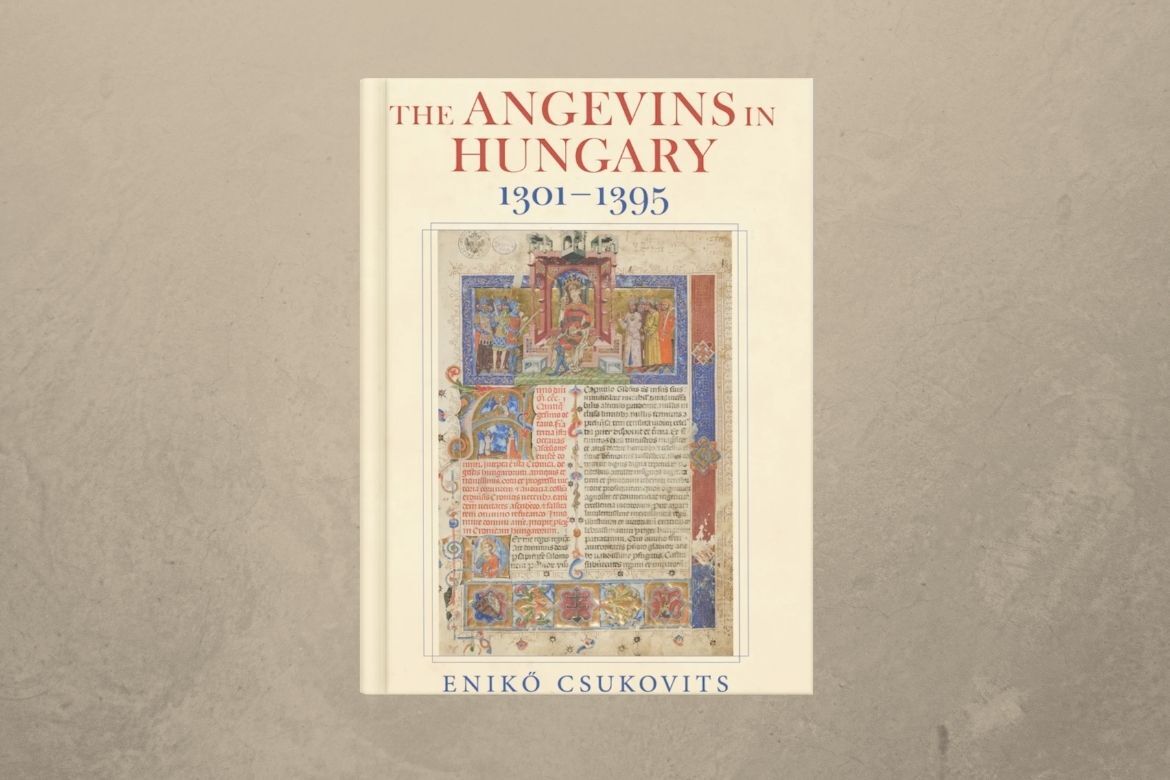
Enikő Csukovits’s new monograph, published by Indiana University Press, explores the history of the Hungarian Angevins and the dynasty’s Central European and Italian connections.

Heléna Huhák’s new monograph, published by Indiana University Press, examines the operation of communist propaganda and the everyday practices of political agitation in Hungary between 1948 and 1953.
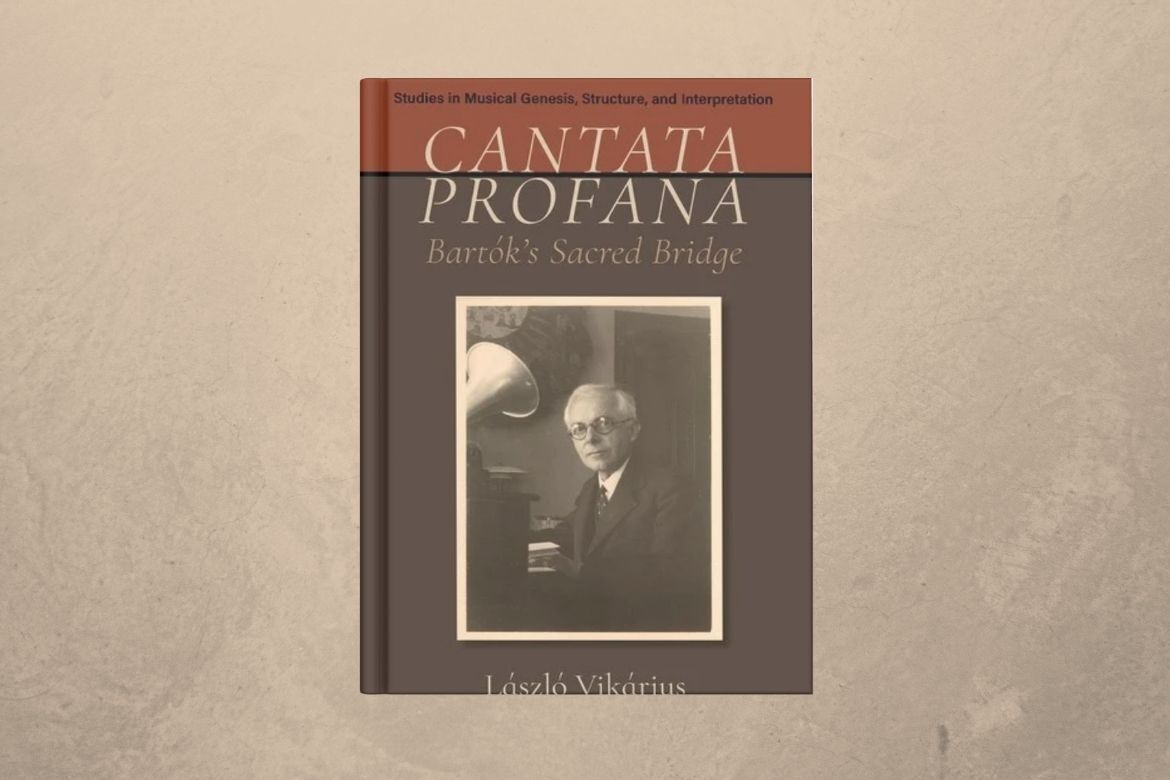
A comprehensive English-language monograph on Bartók’s “most personal creed,” the Cantata profana, has been published by the prestigious Oxford University Press, written by László Vikárius, head of the Bartók Archive at the Institute for Musicology of ELTE RCH.
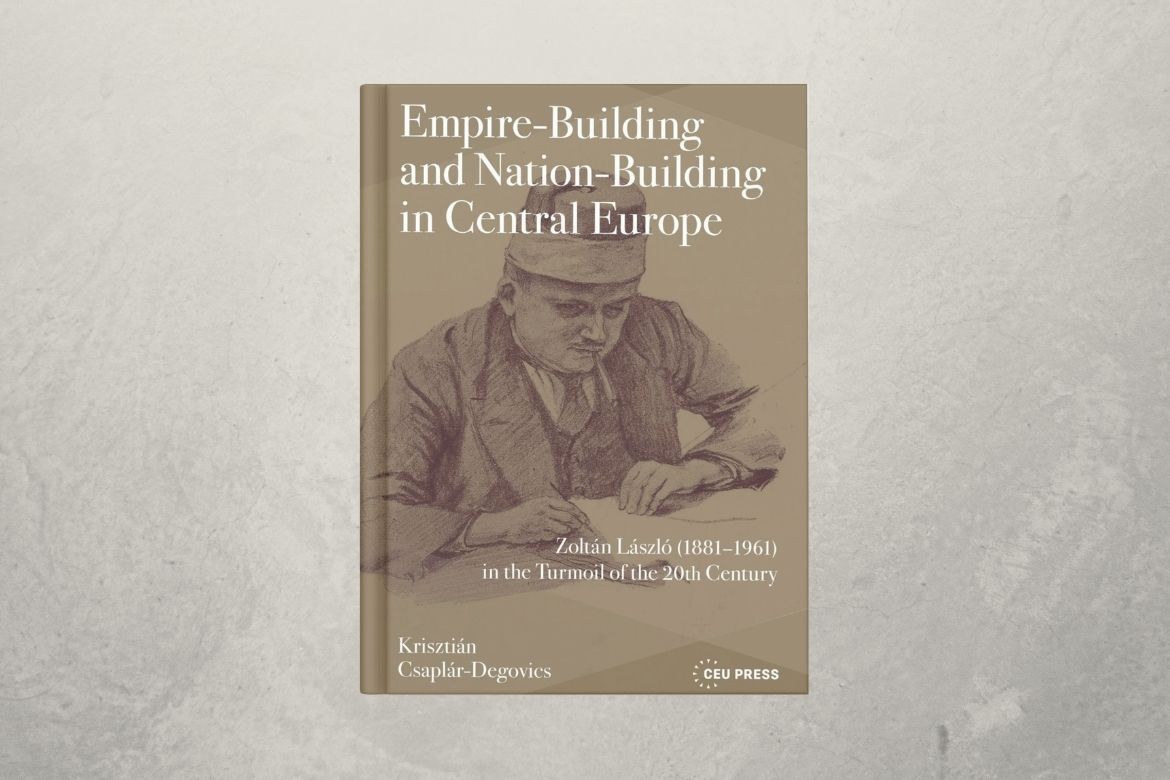
The new book by Krisztián Csaplár-Degovics, senior research fellow at the Institute of History, has been published by CEU Press under the title Empire-Building and Nation-Building in Central Europe: Zoltán László (1881–1961) in the Turmoil of the 20th Century.
For previous articles, check our Archived News.